
Shopping Cart
There are no more items in your cart
Trout Stream Fishing: Touch Fishing Techniques and Best Locations
Best Environments for Touch Fishing
Touch fishing for trout is a traditional and highly effective technique that requires sensitivity, precision, and a deep understanding of the water. It is mainly practiced in mountain streams, valley rivers, and lowland waterways, where trout typically hide behind rocks and in deep pools.
Using natural baits such as worms or local insects, combined with light and sensitive tackle, is essential for success in these conditions.
To explore the best gear and improve your setup, visit our online fishing store.
Touch Fishing for Trout: Complete Guide to Locations and Techniques
Touch fishing is a refined trout fishing technique that relies on direct contact with the bait and a strong ability to read the water. Understanding different fishing environments is key to increasing your catch rate and improving your overall performance.
Mountain Streams
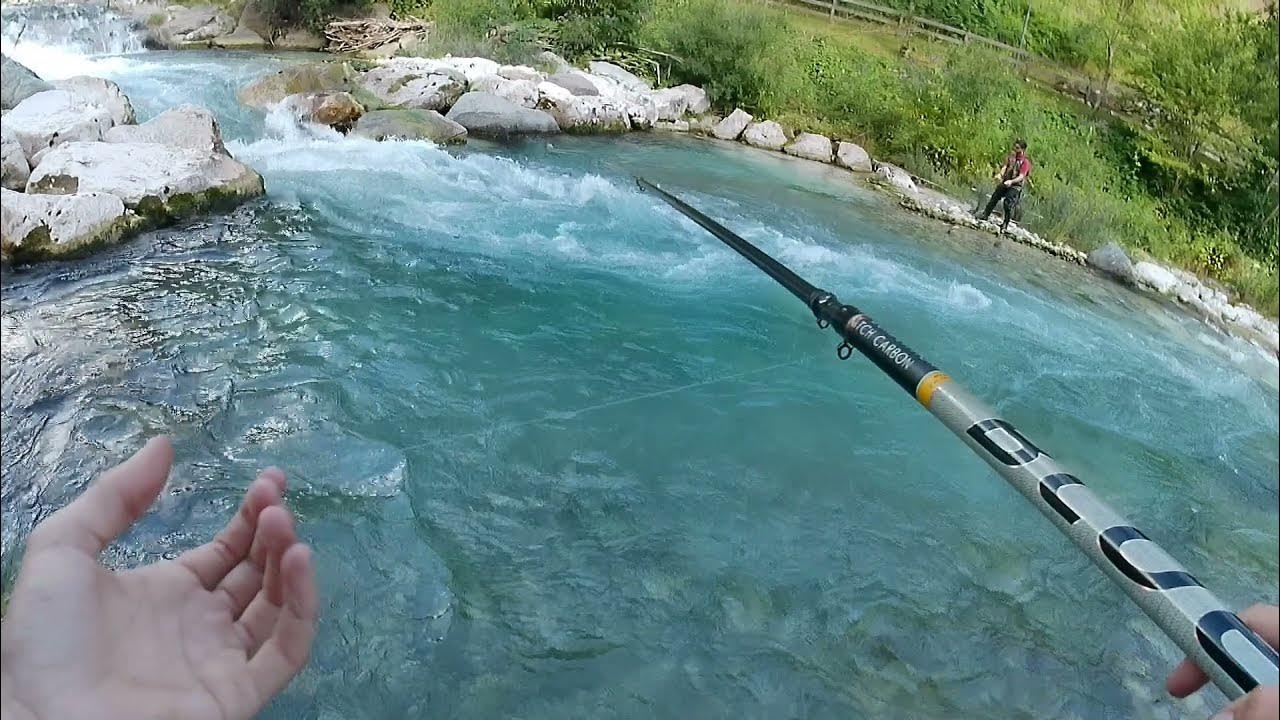
Mountain streams are among the best locations for wild trout fishing. These waters are cold, clear, and highly oxygenated. Trout tend to position themselves behind rocks, in pockets, and in deep holes to conserve energy while waiting for food.
In these conditions, touch fishing requires precise bait placement and excellent control. Natural baits such as worms and insects are particularly effective.
Valley Rivers
Valley rivers are generally wider and deeper, with a more moderate current. Trout are often found in slower sections, near submerged structures, undercut banks, or transitions between fast and slow water.
In these environments, using light rigs and natural presentations that mimic drifting food is essential for consistent results.
Lowland Rivers
In lowland rivers, trout fishing with the touch technique can be very productive during early morning and late evening, when fish are more active. Trout tend to hold in shaded areas or near submerged features.
A subtle presentation with natural bait is crucial, as fish in these waters are often more cautious.
Recommended Trout Fishing Tackle
-
Rod: 4 to 5 meters long, with a sensitive action to detect even the slightest bites.
-
Reel: lightweight and smooth, with a reliable drag system.
-
Line: 0.16–0.20 mm monofilament, preferably fluorocarbon for low visibility in clear water.
-
Hooks: sizes 6 to 10, depending on the bait used.
-
Baits: worms, maggots, local insects, or artificial imitations.