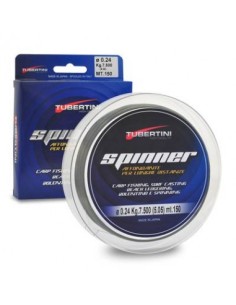
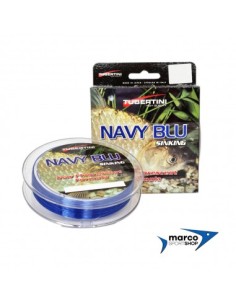
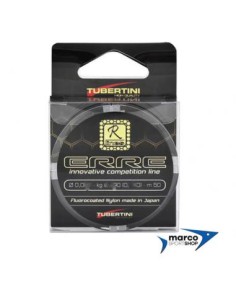
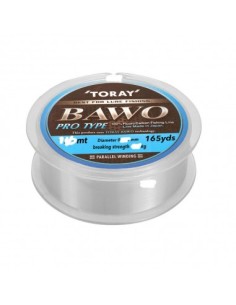
Fishing line is the essential link between angler and prey, playing a crucial role in the success of any fishing trip. In recent years, technological advances have led to the development of advanced monofilaments, made with blends of high-quality materials to ensure characteristics such as knot strength, controlled elasticity, and abrasion resistance.
Types of Fishing Line
The new generation fishing lines are mainly divided into two categories:
-
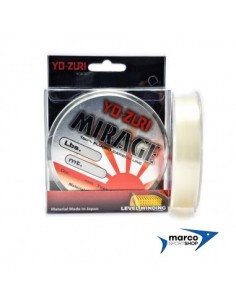
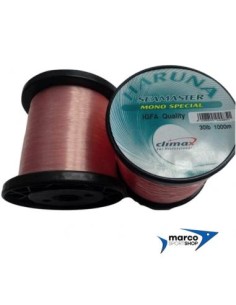
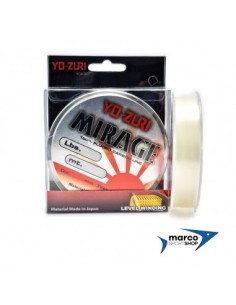
Floating Monofilaments : Suitable for various types of fishing, these lines remain on the surface, facilitating techniques such as float fishing.
-
Sinking Monofilaments : Ideal for techniques such as match fishing and feeder fishing, these lines sink quickly, ensuring a more natural bait presentation.
Both types are available in neutral (transparent) or bright colors, allowing the angler to precisely monitor the position of the line.
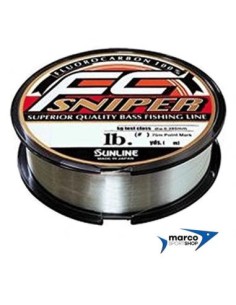
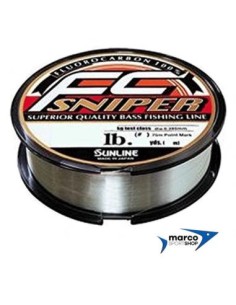
Fluorocarbon
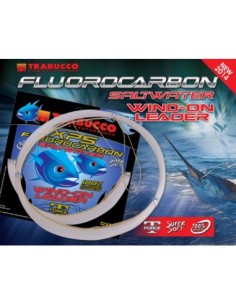
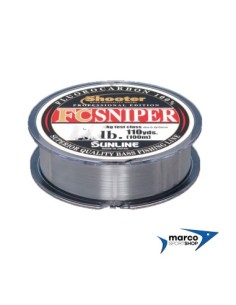
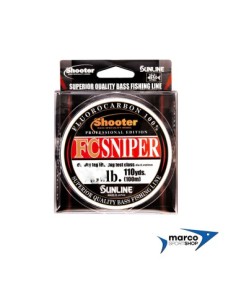
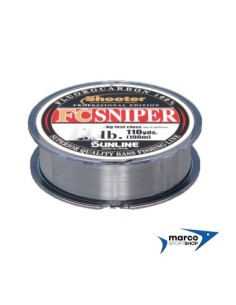
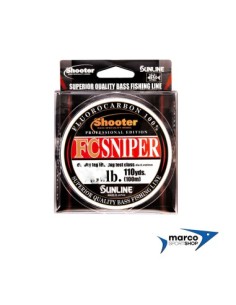
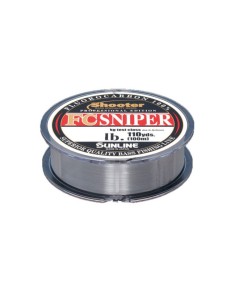
Fluorocarbon to that of water itself. It offers high abrasion resistance and is commonly used for making leaders or as a main line, especially in spinning. Available in a clear version for leaders and in camouflage colors for reel spooling, fluorocarbon is prized for its stealth and strength.
Breaking Load
The breaking strain, indicated in kilograms or pounds on the line spool, represents the maximum tension the line can withstand before breaking. It's important to note that this value does not correspond to the maximum weight of the fish that can be caught; for example, a line with a breaking strain of 5 kg can handle larger fish, thanks to the elasticity and the angler's technique.
Braided Threads
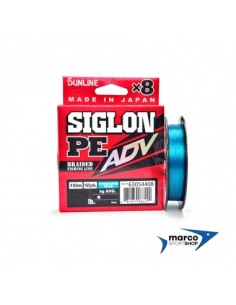
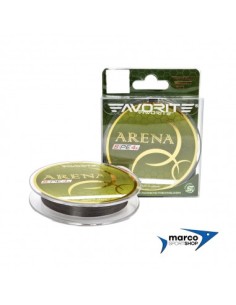
Braided lines have seen significant technological development, with the creation of 4-, 8-, and 12-strand braids. The choice of braided line depends on the fishing environment:
-
4-Ply Braids : Rougher to the touch, they are ideal for environments with dense vegetation, as they can "cut" through obstacles such as grass and reeds.
-
12-Piece Braided Lines : Featuring a smooth surface, they offer excellent glide through rod guides, making them perfect for offshore fishing.
Choosing the right braid color is often a matter of personal preference; bright colors like green or orange can help the angler easily locate the bait.
Tips for Choosing Fishing Line
-
Type of Fishing : Identify the technique practiced (spinning, feeder, float fishing) to choose the most suitable line.
-
Fishing Environment : Consider water conditions and the presence of obstacles to select a line with adequate abrasion resistance and visibility.
-
Target Species : Assess the size and behavior of the target species to determine the required breaking load and elasticity.
Choosing the right fishing line is essential to optimize performance and increase your chances of success on every fishing session.