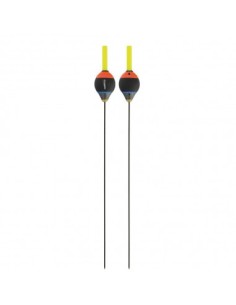
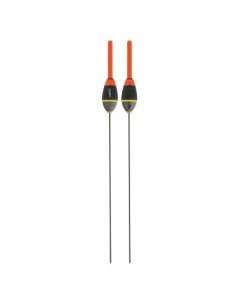
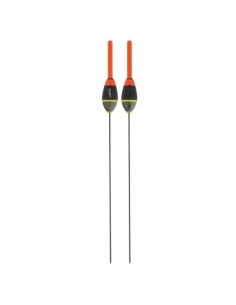
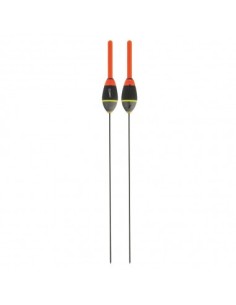
Floats

Fishing Floats: Types, Techniques, and Essential Features

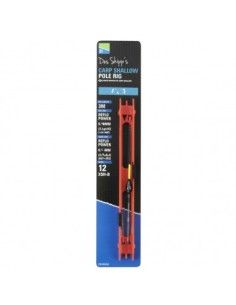
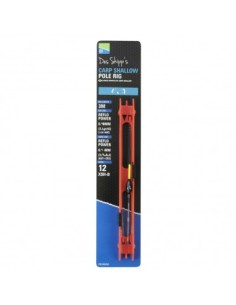
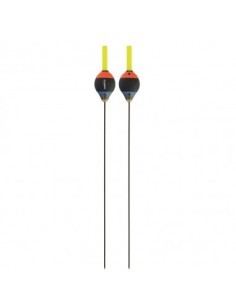
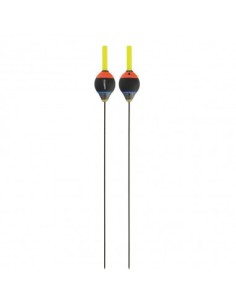
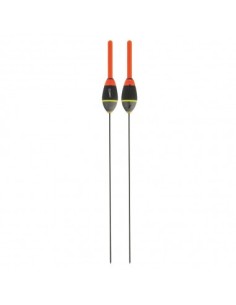
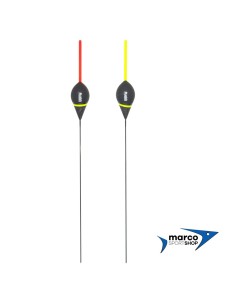
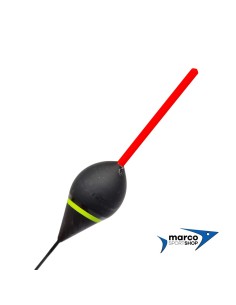
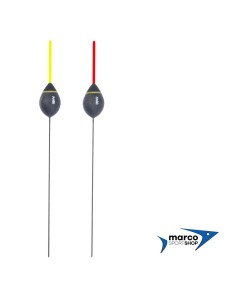
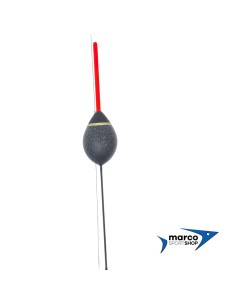
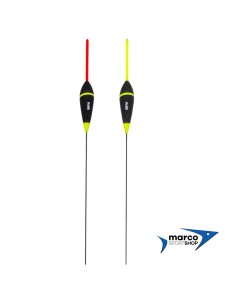
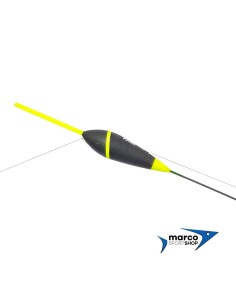
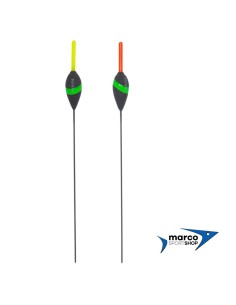
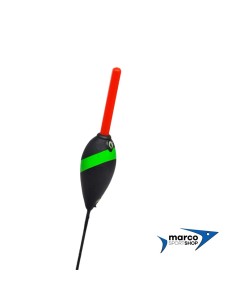
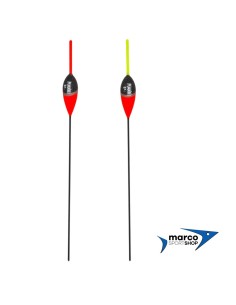
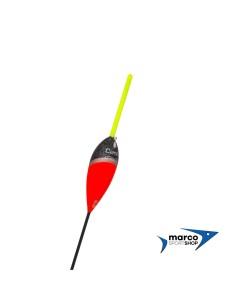
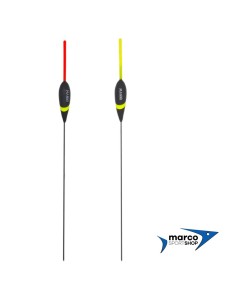
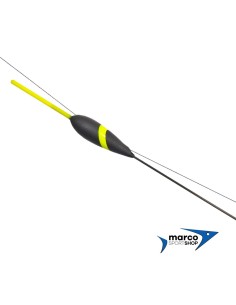
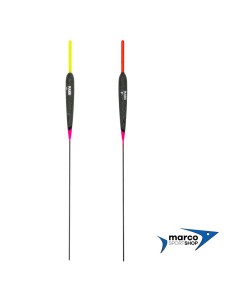
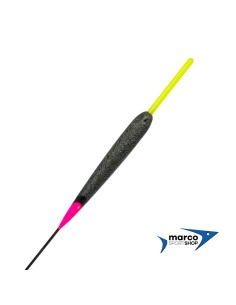
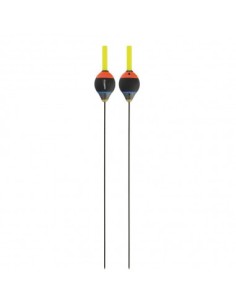
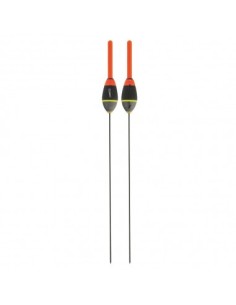
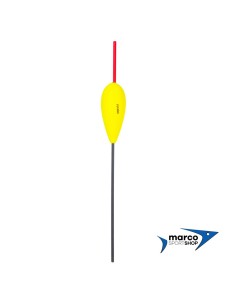
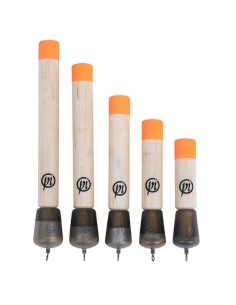
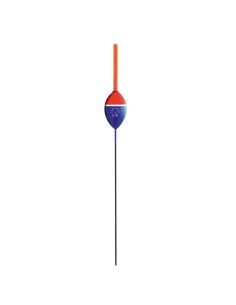
Float fishing is an extremely versatile technique that can be practiced in both freshwater and saltwater , using floats made of balsa or other materials. In this category, you'll find a selection of floats designed for a wide variety of needs: from fixed floats to sliding floats, from weighted floats to luminous floats, and even wagglers for match fishing.

Why the Float is Essential

Floats play a key role in techniques like Bolognese and match fishing: positioned on the line, they allow you to detect bites and determine the depth at which to present your bait. With different shapes and weights, floats offer specific solutions for counteracting wind, waves, and currents, making your fishing session more efficient and precise.

Types of Floats

Fixed Float

  • Operation : It is fixed at a certain height on the line, based on the desired depth.
  • Common forms:
    • Inverted drop : Ideal compromise between stability and sensitivity.
    • Drop : Positioned in the opposite direction to the previous one, it is well suited to fishing by moving the bait in the presence of a current.
    • streamlined : Sensitive and suited to wary prey in calm waters.
    • Sphere : Excellent for choppy waters or strong winds thanks to its high stability.

Sliding Float

  • Operation : It slides freely on the line and is blocked between two stoppers, allowing you to probe depths greater than the length of the rod.
  • Variants:
    • Waggler (English fishing): Often weighted and with a bulb or linear, they can be calibrated with weights or torpedoes. Ideal in windy conditions to keep the indicator rod out of the water.
    • Leaded float : Available in various weights (from 3 to 40g or more), excellent for reaching considerable distances and targeting distant fish.

Luminous Float

  • Operation : Equipped with a transparent hollow body and a small internal LED, it is visible even in low light conditions, such as night fishing.

How to Choose the Right Float

  • Weight : It should be chosen based on the type of fishing and the distance to be reached.
  • Shape : Affects stability in the presence of wind, waves and currents.
  • Material : Balsa, cork or modern composites offer different buoyancy and resistance qualities.
  • Type (fixed, sliding, leaded, illuminated) : Each model responds to specific needs of depth, distance and visibility.

Conclusions

In our selection of fishing floats, you'll find solutions for every technique and environment: from bottom fishing in the sea to match fishing in freshwater, to Bolognese fishing in rivers. Choose the float that best suits your needs and prepare for a more precise, enjoyable, and profitable fishing experience.
Product added to wishlist
Product added to compare.