Cart
There are no more items in your cart

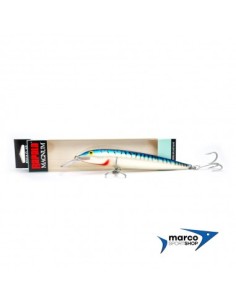
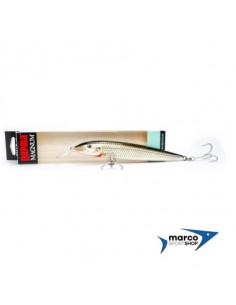
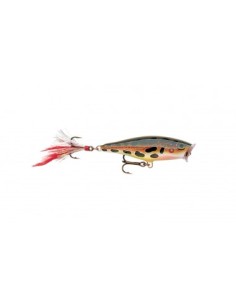
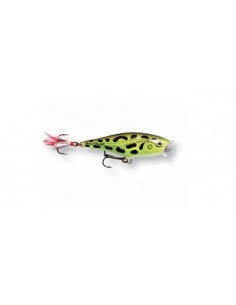
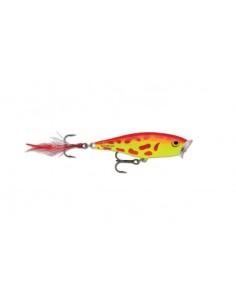
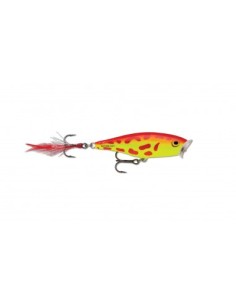
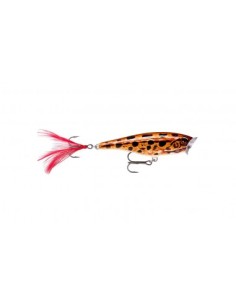
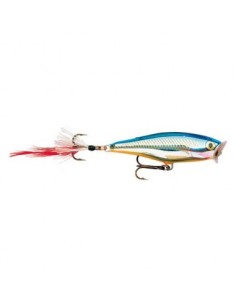
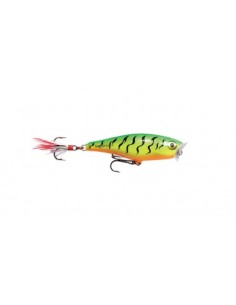
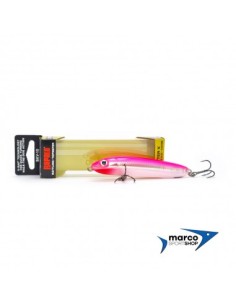
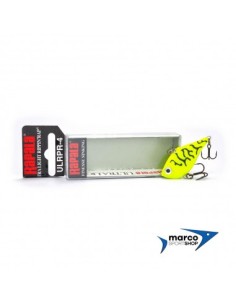
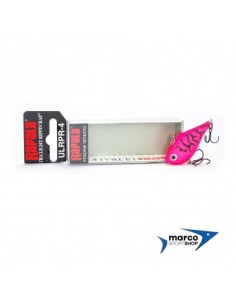
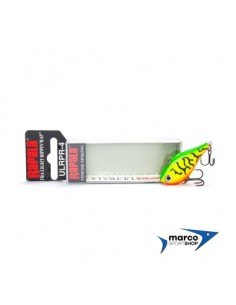
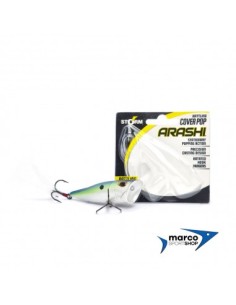
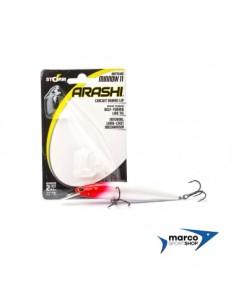

Welcome to our section dedicated to hard lures , and cuttlefish, attracting the attention of predators and increasing your chances of catching them.
Hard baits are mainly divided into three categories, based on their behavior in the water:
Floating : These lures operate on or just below the surface. They are ideal for attracting predators that hunt close to the surface, creating ripples and movements that stimulate an attack.
Suspending : Characterized by neutral buoyancy, they maintain the depth reached during the retrieve without rising or falling. This characteristic makes them particularly effective when you want to keep the bait in a specific area, increasing the chances of attack by predators such as sea bass, trout, and black bass.
Sinking : Designed to sink, these lures quickly reach the desired depth, making them suitable for fishing in deeper water. Their higher density allows for longer casts and a close-to-bottom presentation, where predators often hang out.
Additionally, hard baits can be silent or equipped with rattling sounds. Rattling baits emit vibrations and sounds that can attract fish from greater distances. However, in high-pressure environments or in confined spaces, silent baits can be more effective, avoiding alerting more wary fish.
Hard lures are made from different materials, each of which affects their performance:
Wood : Traditional material that offers natural movement, but may require more maintenance.
Balsa : Lightweight wood that gives the lure high buoyancy and a lively action.
Plastic : A widely used material due to its versatility and durability. It allows for mass production with balanced casting setups, optimizing casting distance and accuracy.
Metal : Mainly used for sinking lures, it offers greater density and strength.
The choice of material affects the lure's weight, castability, and behavior in the water. Well-balanced lures, regardless of weight, can ensure longer casts and a more natural presentation.
The use of hard baits varies depending on the type of bait:
Crankbait and Spinnerbait : They can be retrieved in a linear fashion, taking advantage of their shape and construction to create attractive movements.
Jerkbait and Swimbait : They require jerky retrieves to simulate erratic and realistic movements, imitating a struggling prey fish.
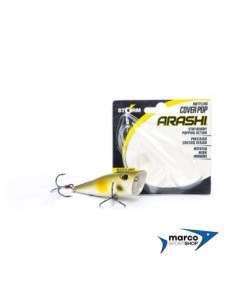
Popper and WTD (Walk The Dog) : Ideal for topwater fishing, these lures create splashes and zigzag movements on the surface, stimulating predators to attack.
In our assortment you will find a wide range of hard baits, including:
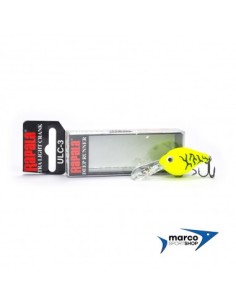
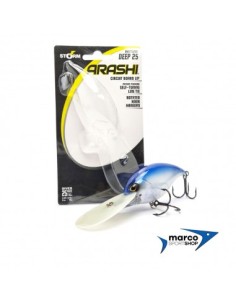
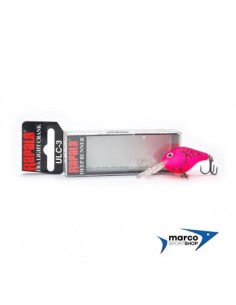
Crankbait : Lures with a stocky body and pronounced lip, ideal for exploring different depths.
Jerkbait : Elongated lures that imitate forage fish, effective with a jerky retrieve.
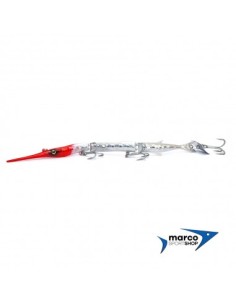
Swimbait : Jointed lures that replicate the natural swimming action of fish.
Spinnerbait : Lures equipped with rotating metal blades that create vibrations and luminous reflections.
Minnow : Tapered lures that imitate small fish, versatile and suitable for different techniques.
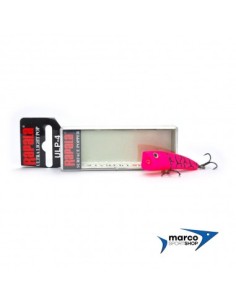
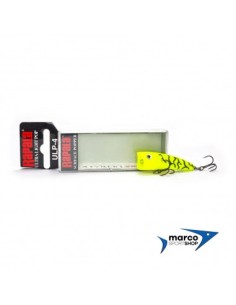
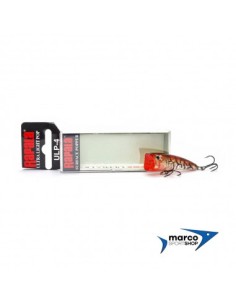
Poppers : Surface lures that produce splashes and noises to attract predators.
WTD (Walk The Dog) : Topwater lures that perform a zigzag movement, very attractive to predators.
We offer a wide range of colors, both natural and bright, to suit different fishing conditions and predator preferences.
Hard baits offer numerous advantages:
Versatility : Suitable for different species and fishing environments.
Durability : Durable materials that ensure long life.
Effectiveness : Capable of stimulating predators to attack, even in conditions of apathy.